

Facing a wide array of steel options, selecting the right "skeleton" material for your Animatronic Model can be confusing. This article is written specifically for robotics, theme parks, film props, and project industries. It aims to provide a complete decision-making framework to help you make the best choice based on dynamic performance, environmental suitability, and total cost of ownership.

1. Why Choosing the Right Steel is Important
In building animatronic models, steel selection determines the success or failure of a project. A suitable "skeleton" must not only withstand mechanical stress but also resist environmental corrosion, ensure motion, and meet safety standards. A wise choice can significantly extend the model's lifespan, reduce maintenance frequency, and guarantee performance continuity. This guide will systematically walk you through the choice. For example, when selecting materials for an Animatronic Dinosaur that will perform year-round in a theme park, Corrosion resistance and oxidation resistance are essential.
2. The Core Decision Framework
Clearly defining your specific needs is the first step. Here are the dimensions you must evaluate systematically.
2.1 Application Requirement Analysis
First, accurately define how your model will be used.
1. Load & Motion Type:
Is the model for static display, or does it have complex dynamic joints? The wing skeleton of an Animatronic Dragon simulating flight has extremely high requirements for the material's strength and weight.
2. Environment & Climate Conditions:
Will the model be placed indoors, outdoors, or in coastal areas with high salt spray? UV rays, humidity, and temperature fluctuations are all influence factor of material aging.
3. Lifecycle & Maintenance Expectations:
Is this a short-term exhibition prop or a theme park attraction planned to operate for over a decade? Different expectations directly lead to different material investment strategies.
2.2 In-Depth Comparison of Steel Types
The choice of primary material is the core decision.
The table below clearly compares the characteristics of five commonly used materials:
| Material Type | Core Advantages | Main Limitations | Typical Application Scenarios |
| Carbon Steel | High strength, excellent cost-effectiveness, easy to machine and weld | Prone to rust, requires surface protection | Indoor animatronic model frames, base structures for short-term outdoor projects |
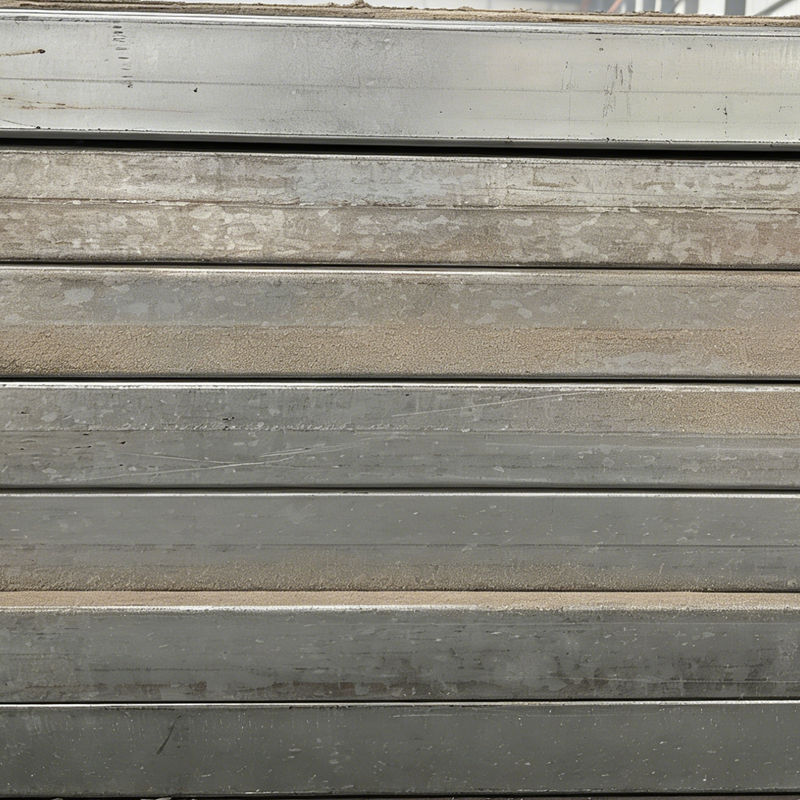
| Galvanized Steel | Better rust resistance than carbon steel, lower maintenance needs | Can still rust if zinc layer is worn; welding damages the coating | Outdoor model support structures requiring rust resistance on a budget |
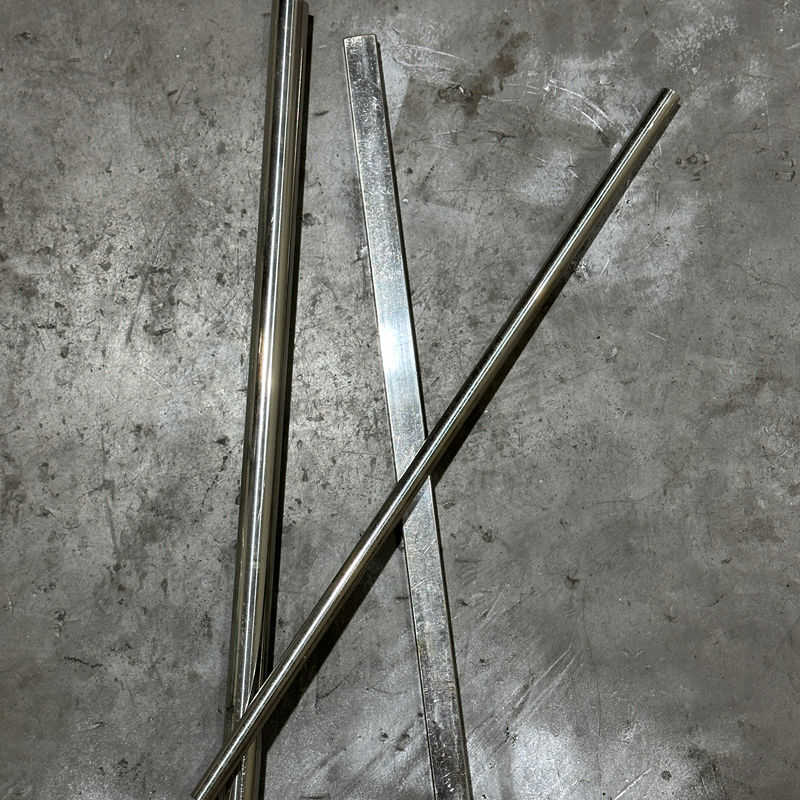
| Stainless Steel | Excellent corrosion resistance, Precise craftsmanship, high strength | High cost, more difficult to machine | Permanent outdoor installations, e.g., theme park Animal Animatronics, coastal environment projects |
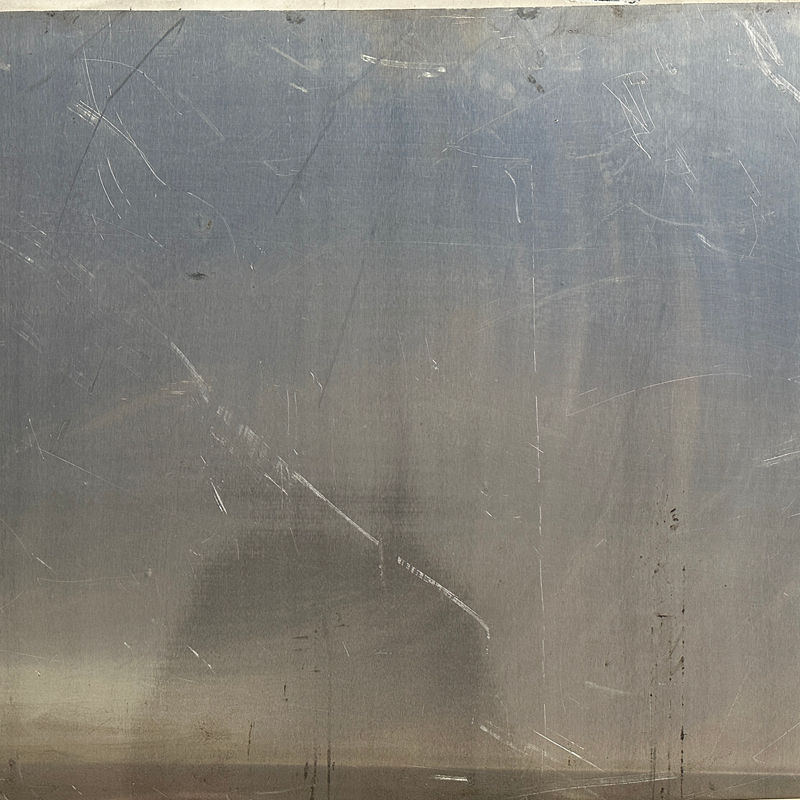
| Aluminum Alloy | Very lightweight, corrosion-resistant, easy to form | Lower strength and rigidity, higher cost | Moving parts sensitive to weight, e.g., wing bones of a large Animatronic Dragon |
| Seamless Steel | Excellent torsional and pressure-bearing performance, clean appearance | Higher cost than welded tube, possible specification limitations | Moving joints bearing complex stress, carriers for hydraulic/pneumatic systems |
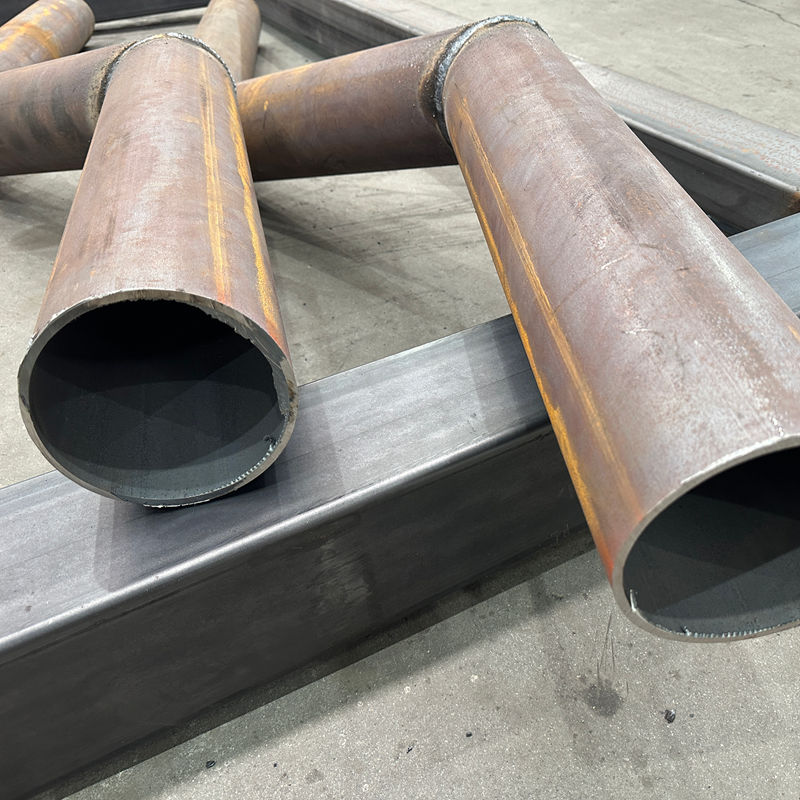
Carbon Steel is the economical first choice, suitable for most indoor frameworks where weight is not a critical concern and regular maintenance is possible. However, for Film Props And Mechs that need to film long-term in rainy regions, Stainless Steel or Galvanized Steel are more reliable choices.

Although Stainless Steel has a higher initial investment, its near-zero maintenance cost and ultra-long lifespan often make it more advantageous when calculating the total cost of ownership.
2.3 Geographic and Compliance Factors
Your project's location directly influences standard selection.
Regional Standard Differences: North American projects often follow ASTM standards, while the EU requires compliance with EN standards and possibly CE certification. In the Asia-Pacific region, JIS or GB standards may also need consideration.
Safety & Environmental Regulations: Animatronic models in public spaces may be strictly regulated concerning structural safety, fire ratings, and material recyclability. Incorporating these considerations during the design phase can prevent major modifications and cost overruns later.
2.4 Manufacturing Process and Quality Control
The potential of a material is realized through exquisite craftsmanship.
Joining Techniques: Welding is the primary method, but different steels have specific requirements for welding processes and filler materials.
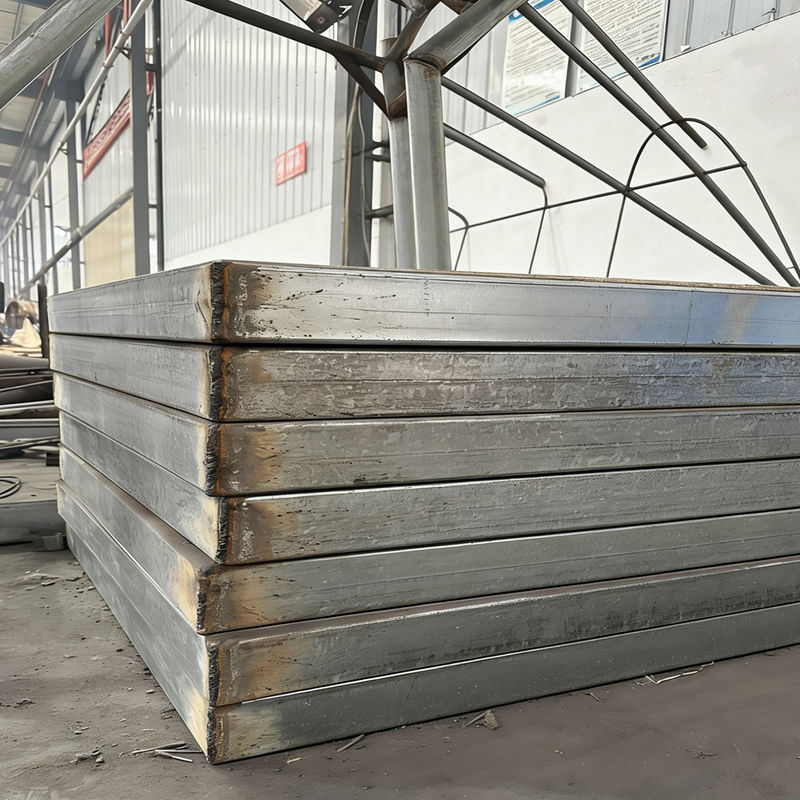
Surface Treatment: From sandblasting and phosphating to powder coating or plating, the correct treatment can multiply the lifespan of carbon steel components and meet specific aesthetic requirements.
Precision Control: For joints requiring precise motion, the machining tolerances of the skeleton are crucial. Our Customized Products service includes high-precision machining to ensure perfect fit for every component.
2.5 Total Cost of Ownership Analysis
Look beyond the unit purchase price. A comprehensive cost model should include:
Capital Cost: Expenses for material procurement, processing and manufacturing, transportation, and on-site installation.
Maintenance Cost: Expenses and labor hours for regular inspections, rust prevention, and part replacements.
Operational Cost: Losses from downtime and revenue loss during repairs caused by material failure.
Handle Cost: Costs for material recycling or disposal at the project's end.
Often, choosing more durable materials (like stainless steel and seamless pipe), despite higher upfront investment, can significantly reduce mid-to-long-term maintenance and risk costs.
3. Avoiding Common Material Selection Mistakes
Ignoring Environmental Suitability: Using poorly protected carbon steel in humid areas leads to rapid corrosion.
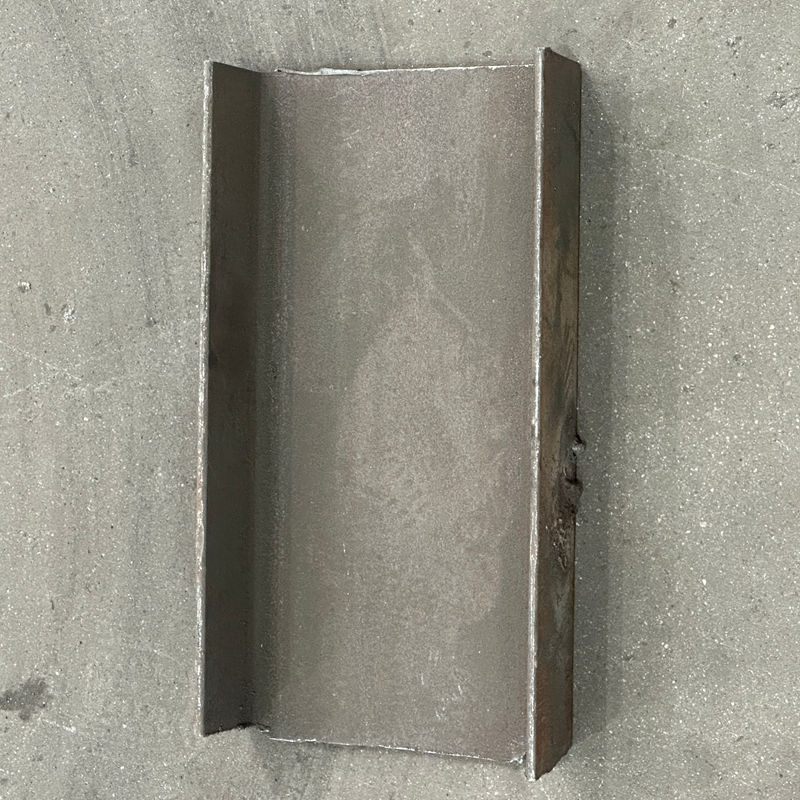
Over-engineering or Under-engineering: Blindly pursuing high-strength materials causes waste, or cutting costs by using substandard materials creates safety hazards.
Overlooking Manufacturing Feasibility: Designing complex structures without considering material machinability and factory process capabilities.
Underestimating Maintenance Needs: Selecting materials requiring high-frequency maintenance without allocating corresponding maintenance plans and budgets.
4. Conclusion
Selecting the right steel is a comprehensive decision-making process integrating engineering, materials science, and project management. The key to success lies in systematically evaluating requirements, balancing performance with cost, and prioritizing safety and compliance.
As a professional manufacturer with extensive experience in animatronic model structure fabrication, Star Robot not only provides high-quality materials compliant with various international standards like ASTM, EN, but also offers one-stop customized solutions from material selection, structural design optimization, to precision machining and quality inspection. We understand that a solid skeleton is the foundation for give animatronic models with life.
5. Why Choose Us?
Star Robot with over 12 years of focused experience in skeletons for animatronic models. Whether you want to use the Animatronic Dinosaur, Animatronic Dragon, Animal Animatronics in your spaces, we know precisely which grade of steel, which type of tubing, and which joining method will bring you the best return.
Simply tell us about your project's requirements and its intended usage environment. Is it for an indoor museum exhibit, a coastal theme park, or a film set with demanding schedules? We translate your creative needs into precise engineering specifications. Our team will handle the entire material selection process, presenting you with optimized options that balance performance, longevity, and budget.
6. FAQ about choose animatronic models steel frame
1. Is stainless steel always better than carbon steel?
Not necessarily. "Better" depends on the application. For indoor models requiring a strength-to-weight ratio in a dry, controlled environment, high-strength carbon steel might be the better choice. The core advantages of stainless steel are its corrosion resistance and low maintenance, making it suitable for harsh environments.
2. How to choose the right surface treatment for outdoor animatronic models?
Galvanizing provides long-term protection; high-performance coating offers both beautiful and rust resistance. The choice should be based on environmental corrosivity grade and expected lifespan.
3. Can aluminum alloy be used for the main load-bearing structure of a large animatronic dinosaur?
It is not recommended. Aluminum's lightweight advantage is clear, but its stiffness and strength are lower than steel. It often requires compensation through optimized structural design (e.g., using tubular structures, adding stiffeners) or use in non-primary load-bearing parts.
4. Does welding reduce the corrosion resistance of stainless steel?
Yes, if handled improperly. Improper welding can cause "weld sensitization," forming chromium-depleted zones near the weld, reducing corrosion resistance. Using correct welding procedures and post-weld treatments is crucial.
5. How to make trade-offs in steel selection when the budget is limited?
Adopt a "hybrid strategy": Use economical materials (e.g., carbon steel) in non-critical, non-exposed areas, and invest in high-performance materials (e.g., stainless or galvanized steel) for joints, exposed areas, or high corrosion-risk areas. Simultaneously, invest in higher-quality surface protection to extend the life of the low-cost base material.