

Simulation Model Foam Selection with our expert guide. Learn how to choose Sponge for Simulation Models & explore Foam for Animatronics. Discover foam types, compare characteristics in our sheet, and learn how partnering with a specialist manufacturer ensures realism & durability for projects Products.

How to Choose Foam: Core Materials of Simulation Models
If your project involves creating Lifelike Animatronics or high-quanlity Simulation Models, the core internal material—the foam—is an indispensable part. The wrong choice can lead to stiff movements, unnatural feel.
This blog will start with the main types and specifications of foam, guiding you through the critical selection process. It aims to help you accurately choose the right foam for your simulation model based on your project's specific needs.
Main Types of Simulation Model Foam
There are many foams, but they can be understood from three key aspects: their material type, performance characteristics, and how they can be use for your model's internals.
Material Type
The material type determines the basic environmental resistance and feel of the foam.
High-Density Foam
It is the gold standard for high-end Animal Animatronics and Animatronic Dinosaur models requiring repetitive movements. Its rebound strength and structural stability are both very strong. The weakness is a higher cost, but it offers the best longlife.
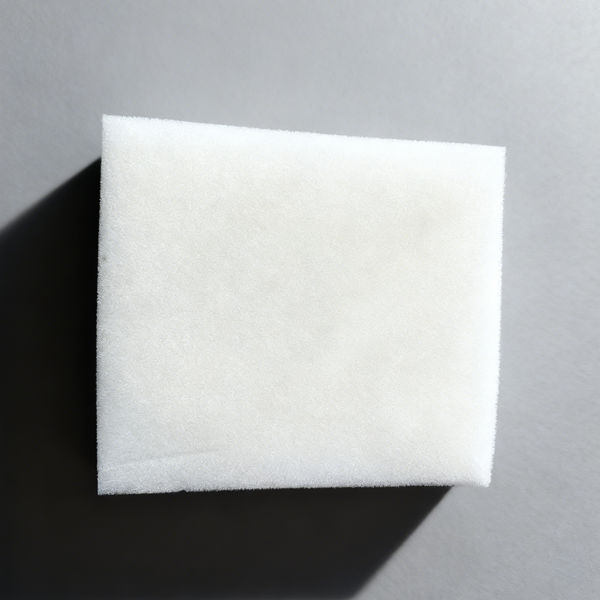
Flame-Retardant (FR) Foam
It is essential for any public installation or project with very strict safety regulations. If your Animatronic Dragon is used in public places and specific sites where the temperature is high, there is abundant vegetation around, and high standards of fire safety are required. It can be slightly firmer, safer and more expensive than standard products.
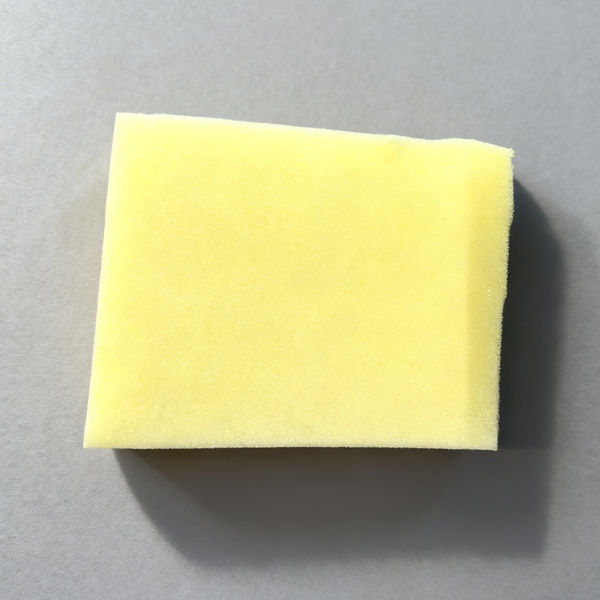
Regular Polyurethane Foam
It is a cost-effective entry-point for static of a model, or low-budget projects where extreme durability is not a concern. It is prone to compression set and is not suitable for high-movement Foam for Animatronics, it is usually used inside large Fiberglass Products to fill the shape and protect the steel frame structure.
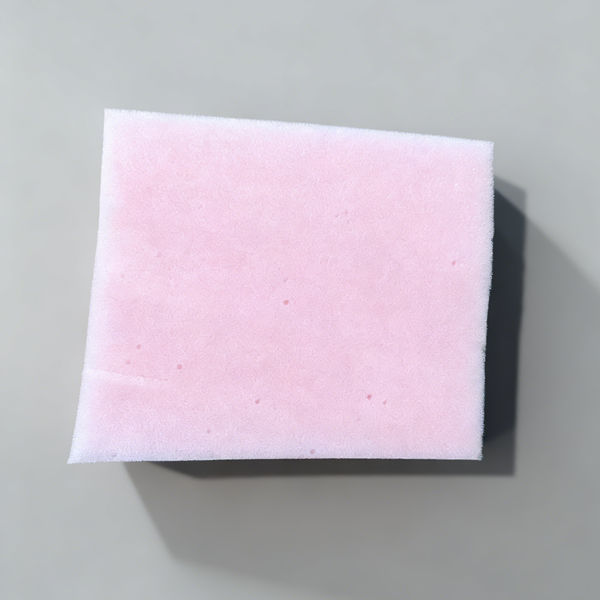
Key Performance Characteristics
By comparing the advantages and disadvantages of different types of sponges in the sheet, it will be easier for you to make a better choice!
| Foam Type | Key Characteristic | Suitable for | Key Advantage | Primary Limitation |
| Regular Foam | Low Cost | Big fiberglass products, static fill | Most Affordable | Poor durability, low elasticity |
| High-density Foam | Excellent Elasticity & Recovery | Theme park, museum, mall, exhibits and so on | Superior Lifespan & Realistic Movement | Higher Cost |
| Flame-Retardant (FR) Foam | Meets Safety Standards (UL, CE) | Public exhibits, theme park animatronics | Compliance for US/EU/APAC Markets | Can be firmer, higher cost |
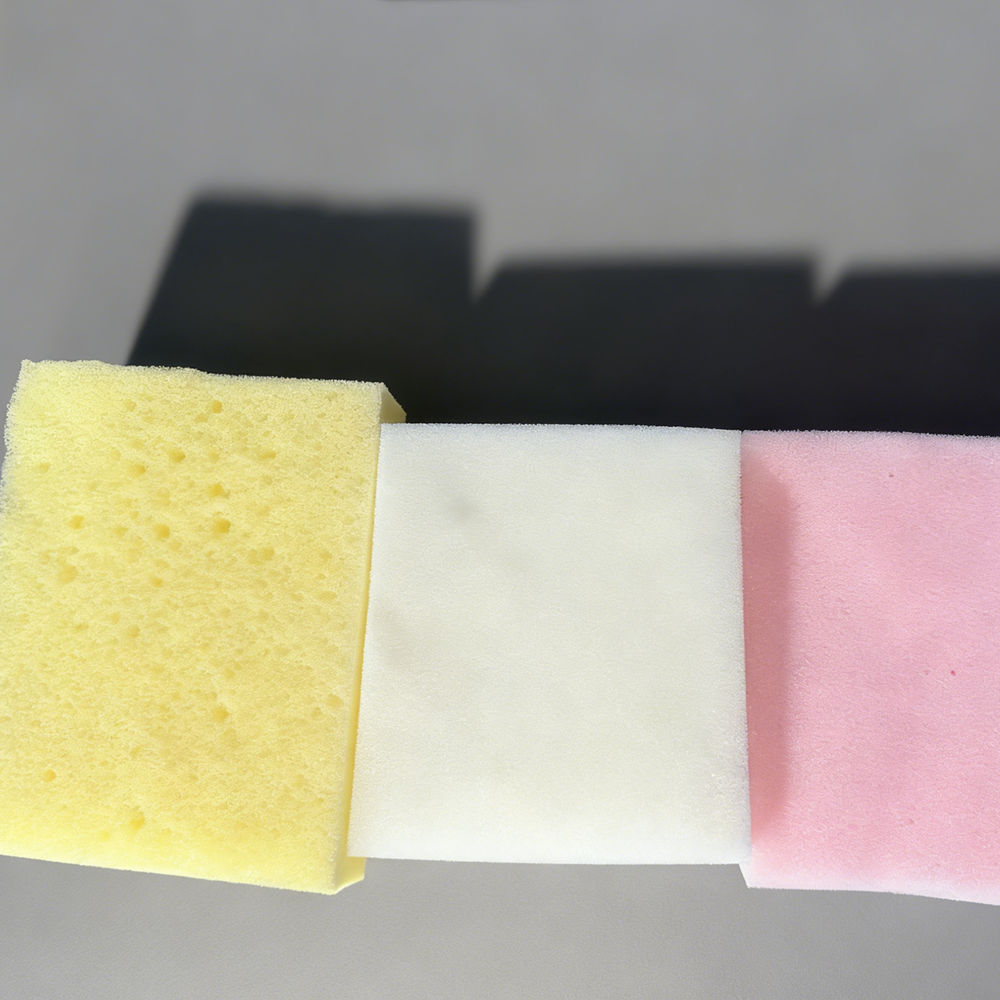
Internal Stracture
Foam shaped and compose is important
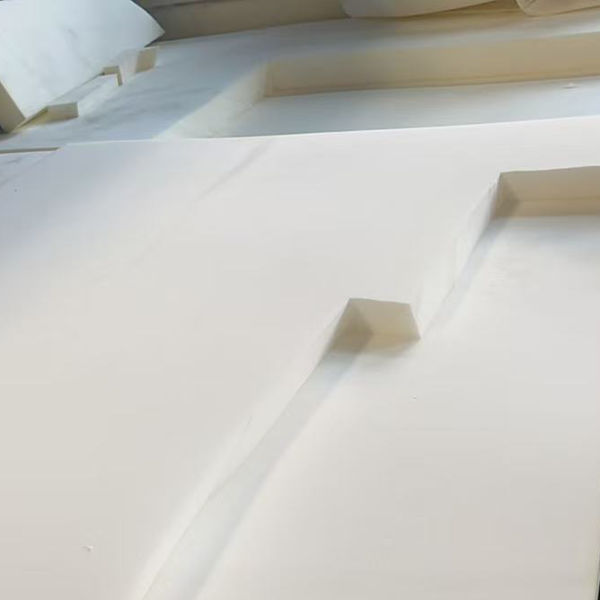
Custom Cut Foam can be precision-engineered to create complex internal skeletons for your Animatronic Dinosaur, ensuring a perfect fit and controlled, realistic movement.
Composite Foams combine different densities (e.g., a soft layer under silicone skin over a firm core) to mimic the complex feel of real tissue and bone. This is a mark of advanced Customized Products.
How to Choose the Right Foam for Your Project Needs?
After understanding the common types, you can begin selecting. Choosing foam primarily involves four considerations: the operating environment, required movement and lifespan, internal components, and the need for custom solutions.
Environment
For models in controlled indoor environments, standard high-density foam is enough. For models destined for different international markets, Projects in humid Southeast Asia require foam resistant to moisture and mold, while those in colder Northern European climates need foam that remains flexible and doesn't become brittle.
Movement & Lifespan
High-density sponge is the required dynamic performance is the most critical factor in Animatronic Model foam selection.
1. For high-wear joints (e.g., the neck of an Animatronic Dinosaur), high-density, high-resilience (HR) foam is mandatory to increase of service life.
2. For skin deformation and a lifelike touch, a medium-density foam with a slow recovery provides a more natural, biological feel than a fast, springy alternative.
3. For static, non-moving areas that just need shape, a lower-cost, standard foam can be used to manage overall budget.
Complex Projects
For unique projects, partnering with an experienced manufacturer. They can provide Customized Products like:
1. Cut foam skeletons for consistent, precise assembly.
2. Foam stacks with varying densities to simulate muscle and skin.
3. Flame-retardant versions of any foam type to meet public safety codes.
Conclusion
In summary, understanding your project's needs and selecting the appropriate foam is the first step to ensuring your simulation model is realistic, durable, and safe. Furthermore, choosing a reliable manufacturer is crucial for a smooth and efficient project.
It is worth mentioning that if your project has special requirements—such as a specific density, custom die-cutting, or flame-retardant certification—Star Robot can provide customize solutions. We ensure every custom foam core meets your exact project requirements, helping you achieve Animatronic Models realism.
FAQ
What is the lifespan of foam inside a simulation model?
Under normal circumstances, high-density sponges can remain in the model for many years. However, sponges that are frequently used in action areas have a slightly shorter lifespan. Nevertheless, we will provide corresponding accessories and guidance services to facilitate replacement.
How does climate in different regions affect foam choice?
High humidity can cause some foams to degrade or grow mold.Extreme cold can make certain foams brittle. For projects in the Middle East or Australia, UV resistance and heat tolerance are critical. A specialist manufacturer can recommend materials suited to your geographic location.
Can I get foam custom-cut to a specific shape for my model?
Absolutely, we have created many customized simulation models for our clients. We tailor the sponge structure according to different models to ensure that the simulation models can operate continuously for a long time!
Can foam be used for high-temperature environments?
Generally speaking, the high-density sponge we offer can withstand temperatures ranging from -20℃ to 40℃. If there are even more extreme weather conditions, we can customize high-temperature silicone foam or other advanced materials for you.